
Short answer: For hail, rank them roughly: fiber cement and steel (best), insulated or premium thick vinyl and LP SmartSide (very good), wood (good if painted), standard thin vinyl and aluminum (poor). Fiber cement gives the best mix of hail, heat and rot resistance in Oklahoma, while premium insulated vinyl is the best value.
How Each Siding Handles Hail
| Siding | Typical hail result | Weak spot | Repairability | Installed cost per sq ft (Tulsa) |
|---|---|---|---|---|
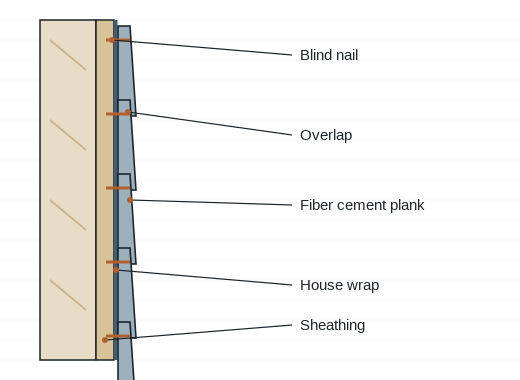
| James Hardie fiber cement | Paint chips; cracks only from very large hail | Corners and trim; chipped paint lets water in | Good: boards and paint | $9 to $14 |
| Steel siding | Dents; rarely punctures | Dents are permanent; scratches can rust | Fair: matching panels | $9 to $14 |
| Insulated vinyl | Flexes and rebounds; resists cracking | Expensive panels to match | Good: unlock and swap | $6.50 to $10 |
| LP SmartSide | Dents rather than cracks | Broken paint must be sealed | Good: boards and paint | $7 to $11 |
| Painted wood | Dents and chipped paint | Rot if paint breaks | Good | $8 to $14 |
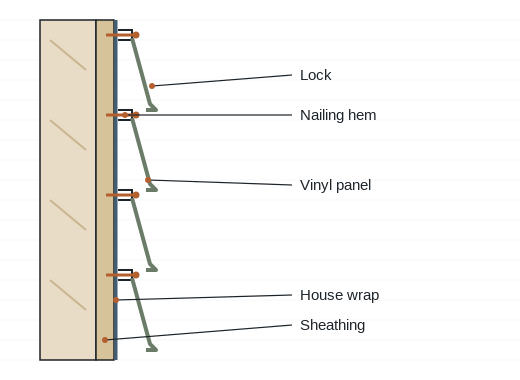
| Standard vinyl (0.040 to 0.044 in) | Cracks, holes, broken locks | Brittle in cold, after 15+ years | Very good but matching fades | $4.50 to $7.50 |
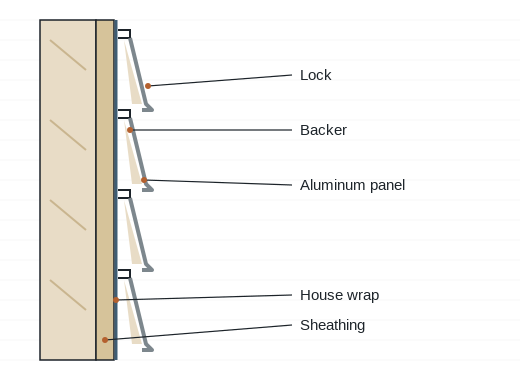
| Aluminum | Dents easily | Old profiles impossible to match | Poor | Rarely installed new |
What Makes Siding Hail Resistant
Thickness, backing and stiffness
For vinyl, thickness matters. Builder-grade vinyl is about 0.040 to 0.042 inch thick; premium panels run 0.046 to 0.055 inch. Insulated vinyl adds a contoured foam backer glued to the panel, which supports it and absorbs impact, so hail that would crack an unsupported panel often just bounces. For any siding, a flat, solid wall behind it helps: panels that sit over gaps or uneven sheathing crack more easily.
Temperature and age
Vinyl's impact strength drops as it gets colder, which is why the November hail peak in Tulsa can crack panels that spring hail only dented. Vinyl also becomes more brittle with years of UV exposure. A 25 year old panel on a south wall breaks far more easily than the same product when new. Fiber cement and steel do not lose impact resistance much with temperature or age, but their coatings do weather.
Impact Ratings: What They Mean
Roofing products are tested for hail under UL 2218, which drops steel balls of increasing size to give Class 1 to Class 4 ratings. There is no equally common, required hail rating for siding. Some siding makers advertise impact performance using their own tests or tests adapted from roofing standards. When you see an impact claim on siding, ask which test was used and what size impact it represents. Treat it as a comparison between products, not a guarantee.
Hail Resistance Is Not the Only Oklahoma Factor
Tulsa siding also has to handle heat, wind, rain and the occasional ice storm. Here is how the top choices compare on the rest:
- Fiber cement: excellent for heat, rot and termites; heavy, so installation costs more; paint every 10 to 15 years.
- Steel: excellent for wind and fire; dents show; fewer style choices for homes.
- Insulated vinyl: good for wind and energy comfort; can warp from reflected sun like any vinyl; no painting.
- LP SmartSide: good impact and wind performance; must keep cut edges sealed and boards clear of ground; paint every 10 to 15 years.
If you are replacing siding after a hail claim, it can make sense to upgrade. Some insurers pay for like-kind replacement and you pay the difference for an upgrade. Ask your adjuster before ordering.
Get Advice on Your Home
If your siding was damaged and you are deciding whether to repair or upgrade, call (918) 600-9391 or see our hail damage siding repair service. For a side-by-side of costs, read siding replacement in Tulsa. Related guide: how long siding lasts in Oklahoma.
Hail Resistant Siding FAQs
Is fiber cement siding hail proof?
No siding is hail proof, but fiber cement comes close for typical Oklahoma storms. It rarely cracks from hail under about two inches, though large hail can chip the paint and break corners. Chipped areas should be sealed and painted to keep water out.
Is insulated vinyl siding better for hail?
Yes. Insulated vinyl's foam backer supports the panel, so it resists cracking and dents better than standard vinyl. It costs more per square foot and is more expensive to match in repairs, but it is one of the best-value hail upgrades for Tulsa homes.
Does steel siding dent in hail?
Steel siding resists punctures and cracks well but can dent from large hail. The dents are permanent. Whether insurance pays for dents depends on your policy's cosmetic damage terms. Thicker gauges dent less.
What is the cheapest hail resistant siding?
Premium thick or insulated vinyl is usually the lowest-cost siding with good hail resistance. LP SmartSide is the next step up in price. Standard thin vinyl is cheapest overall but is the most likely to crack in hail.
Should I upgrade siding after a hail claim?
If you plan to stay in your home, upgrading to fiber cement, insulated vinyl or LP during a claim replacement can make sense. Insurers typically pay for like kind and quality, and you pay any difference. Confirm the process with your adjuster before ordering materials.


